

Key Takeaways:
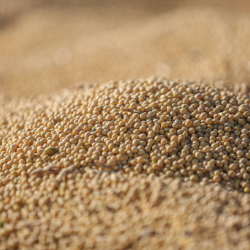
U.S. soybean crushing began in 1911 and saw its most rapid expansion during the 1930s amid the broader agricultural and technology revolutions of the time. After peaking in the early 2000s, the soybean crushing industry went through a downturn as poor crush margins forced some operations to shutter. Since then, the early 2020s have seen a rapid change in federal and state biofuel policies that have made biodiesel derived from soyoil and other renewable feedstocks exceptionally valuable, boosting soyoil prices and crush margins. Since 2021, WPI estimates the industry has added 15 new crushing facilities and expanded operations at 6, adding 1.2 billion bushels of capacity to the industry. Looking ahead, the industry&rsqu...


 What You Need to Know Today: New World screwworm detections in the United States continue to accelerate, with 81 new cases reported in November, bringing the cumulative total to 165. The first detection in a pig in Zapata County, Texas, highlights the potential implications for the U.S. pork i...

 A large market that competitors serve and that most U.S. producers have not looked at. Key Takeaways: Australia, Brazil, India and New Zealand built export businesses around Muslim-majority demand. The U.S. built markets differently. Halal is the gate: certification, government recognition and...
 A group of mid-sized beef packers sent a letter to Congress supporting the USDA’s voluntary Product of the USA label, which has been adopted by more than 30 companies. The voluntary label was introduced on 1 January 2026. It requires that single-ingredient beef products come from cattle b...

