

Key Takeaways:
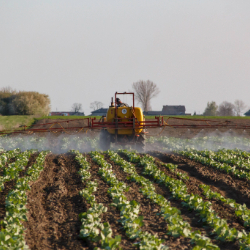
Brazil’s growing role in global agriculture is accompanied by a major vulnerability: the country imports approximately 88 percent of its fertilizer needs. High natural gas costs and development challenges have limited domestic nitrogen and potash production despite Brazil’s significant natural resources. Brazil’s National Fertilizer Plan aims to reduce import dependence, but expanding domestic production will require significant investment and time. Brazil imports fertilizer from a diverse group of countries, but individual nutrients remain highly concentrated among a few major suppliers. The Russia-Ukraine war and disruptions through the Strait of Hormuz demonstrate how geopolitical events can quickly incr...


 What You Need to Know Today: New World screwworm detections in the United States continue to accelerate, with 81 new cases reported in November, bringing the cumulative total to 165. The first detection in a pig in Zapata County, Texas, highlights the potential implications for the U.S. pork i...

 A large market that competitors serve and that most U.S. producers have not looked at. Key Takeaways: Australia, Brazil, India and New Zealand built export businesses around Muslim-majority demand. The U.S. built markets differently. Halal is the gate: certification, government recognition and...
 A group of mid-sized beef packers sent a letter to Congress supporting the USDA’s voluntary Product of the USA label, which has been adopted by more than 30 companies. The voluntary label was introduced on 1 January 2026. It requires that single-ingredient beef products come from cattle b...

