

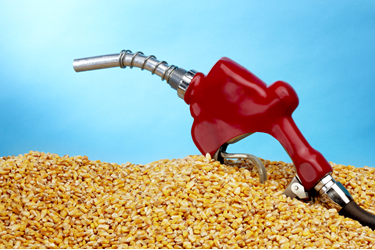
In a years-long, ongoing policy battle, a provision to secure E15 was dropped at the last minute from the appropriations bill. On paper, the path forward looks clear, as the oil refiners’ association is now onboard with E15; however, there are still many other smaller mechanisms in the legislation that must work out. For context, E15 has a checkered and complicated history. Across most of the country, E15 is prohibited from being sold from 1 June through 15 September based on its emissions, measured by a benchmark known as the Reid vapor pressure (RVP) as set in the Clean Air Act (CAA). To avoid this prohibition, the EPA can issue a waiver of the statute for cause. Achieving E15 has long been an industry goal. In 2019, the...


 What You Need to Know Today: New World screwworm detections in the United States continue to accelerate, with 81 new cases reported in November, bringing the cumulative total to 165. The first detection in a pig in Zapata County, Texas, highlights the potential implications for the U.S. pork i...

 A large market that competitors serve and that most U.S. producers have not looked at. Key Takeaways: Australia, Brazil, India and New Zealand built export businesses around Muslim-majority demand. The U.S. built markets differently. Halal is the gate: certification, government recognition and...
 A group of mid-sized beef packers sent a letter to Congress supporting the USDA’s voluntary Product of the USA label, which has been adopted by more than 30 companies. The voluntary label was introduced on 1 January 2026. It requires that single-ingredient beef products come from cattle b...

From WPI Consulting
Communicating importance of value-added products

Facing increasing pressure to quantify the value of export promotion efforts to investors, a U.S. industry organization retained WPI to develop a quantitative model that better communicated the importance of exports. The resulting model concluded that value-added meat exports contributed $0.45 cents per bushel to the price of corn, increasing support for that sector’s financial support of WPI’s client. In addition to serving the red meat industry with this type of analysis, WPI has generated similar deliverables for the U.S. soybean and poultry/egg industries.