

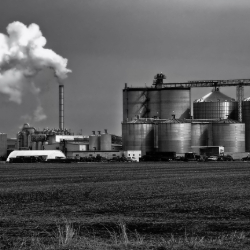
Previous administrations—including that of President Donald Trump—have promoted domestic consumption of corn and soybeans through expanded biofuel mandates and subsidies. The original framework for this policy was the Energy Independence and Security Act of 2007, which required the production of 15 billion gallons of corn ethanol by 2022. That target has been achieved and surpassed: U.S. ethanol production reached approximately 16.9 billion gallons in 2025, accounting for roughly 10–11 percent of total gasoline consumption. Most gasoline (roughly 90–95 percent) in the United States is currently sold as a 10 percent ethanol blend (E10), which has historically functioned as a practical “blend wall” under pr...


 What You Need to Know Today: New World screwworm detections in the United States continue to accelerate, with 81 new cases reported in November, bringing the cumulative total to 165. The first detection in a pig in Zapata County, Texas, highlights the potential implications for the U.S. pork i...

 A large market that competitors serve and that most U.S. producers have not looked at. Key Takeaways: Australia, Brazil, India and New Zealand built export businesses around Muslim-majority demand. The U.S. built markets differently. Halal is the gate: certification, government recognition and...
 A group of mid-sized beef packers sent a letter to Congress supporting the USDA’s voluntary Product of the USA label, which has been adopted by more than 30 companies. The voluntary label was introduced on 1 January 2026. It requires that single-ingredient beef products come from cattle b...

From WPI Consulting
Communicating importance of value-added products

Facing increasing pressure to quantify the value of export promotion efforts to investors, a U.S. industry organization retained WPI to develop a quantitative model that better communicated the importance of exports. The resulting model concluded that value-added meat exports contributed $0.45 cents per bushel to the price of corn, increasing support for that sector’s financial support of WPI’s client. In addition to serving the red meat industry with this type of analysis, WPI has generated similar deliverables for the U.S. soybean and poultry/egg industries.