

What You Need to Know:
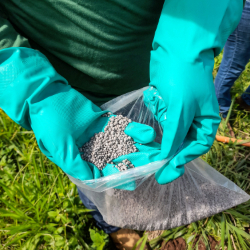
U.S. fertilizer production is highly concentrated, but concentration alone does not establish that producers are operating as a cartel. Imports introduce competition unevenly: they supply nearly all U.S. potash consumption but play much smaller roles in domestic ammonia and phosphate-rock markets. The Hormuz disruption briefly more than doubled global urea prices relative to their prewar average, but prices subsequently fell below that benchmark—evidence of a market responding to changing supply conditions. Illinois nitrogen prices declined more slowly than global wholesale prices. Inventory costs, transportation, contracts and seasonal demand may explain the lag, although limited competition could also contrib...


 What You Need to Know Today: New World screwworm detections in the United States continue to accelerate, with 81 new cases reported in November, bringing the cumulative total to 165. The first detection in a pig in Zapata County, Texas, highlights the potential implications for the U.S. pork i...

 A large market that competitors serve and that most U.S. producers have not looked at. Key Takeaways: Australia, Brazil, India and New Zealand built export businesses around Muslim-majority demand. The U.S. built markets differently. Halal is the gate: certification, government recognition and...
 A group of mid-sized beef packers sent a letter to Congress supporting the USDA’s voluntary Product of the USA label, which has been adopted by more than 30 companies. The voluntary label was introduced on 1 January 2026. It requires that single-ingredient beef products come from cattle b...

