
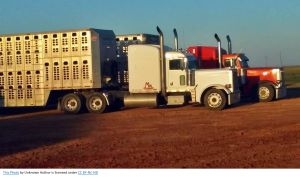
Last week, we noted that the vaccine/mask regulation on trucks crossing the Canadian border (put in place in Canada on 15 January and the U.S. on 22 January), and the truckers’ strike, could have some impact on feeder pig deliveries from Canada. Most feeder pigs enter the U.S. in North Dakota and Michigan – exiting Canada from Manitoba and Ontario. The latest reports from AMS are only through the week ending 22 January, before this trucker strike was in force, and there was not much change.
There is, however, possible impact being felt on the cattle side. There are conflicting reports that the border crossing at Coutts, Alberta, into Montana, has now been blocked for six days. The Royal Canadian Mounted Police (R...


 Markets will have plenty to digest over Thanksgiving. The administration proposed new tariffs on 14 trading partners, core inflation came in slightly above expectations, and USDA reported a fresh sale of U.S. soybeans to China. With grain and livestock markets closed Thursday and trading in a s...
 In observance of the U.S. Thanksgiving holiday, financial markets will be closed Thursday, 26 November. WPI’s offices will also be closed, and no issue of Ag Perspectives will be published that day. Ag Perspectives will resume Friday, 27 November. From all of us at WPI, we wish you and yo...

 Key Takeaways: Farm costs have outpaced selling prices. From 1975 to 2025, the broad index of prices farmers paid rose about 549 percent, compared with 225 percent for prices received and 498 percent for consumer prices. Productivity has cushioned the squeeze. By 2023, U.S. farms produce...


 Key Takeaways: Renewed strength in soymeal and sustained weakness in soyoil have challenged the “crush for oil” narrative that has largely driven the expansion of U.S. soybean processing capacity in recent years. Record October soybean crush volumes, historically low soymeal yields...

