
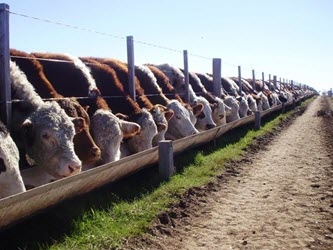
Livestock cost of gain is an issue that seemingly is not going away and has heightened the interest in tomorrow’s WASDE report. At current carcass weights, a dollar increase in corn price means about $10 per head for hogs, and for cattle means that cattle will be held back on grass for heavier feedlot placements, but feeding costs are still increasing. The chart below is from Kansas State University’s Focus on Feedlots newsletter showing placement weights and cost of gain for steers projected for current month placements, with WPI’s estimate for March 2021 given current trends.
Though heavier weight cattle will be sought by feeders, they’re likely to be picky about overly fleshy cattle that won’...


 Markets will have plenty to digest over Thanksgiving. The administration proposed new tariffs on 14 trading partners, core inflation came in slightly above expectations, and USDA reported a fresh sale of U.S. soybeans to China. With grain and livestock markets closed Thursday and trading in a s...
 In observance of the U.S. Thanksgiving holiday, financial markets will be closed Thursday, 26 November. WPI’s offices will also be closed, and no issue of Ag Perspectives will be published that day. Ag Perspectives will resume Friday, 27 November. From all of us at WPI, we wish you and yo...

 Key Takeaways: Farm costs have outpaced selling prices. From 1975 to 2025, the broad index of prices farmers paid rose about 549 percent, compared with 225 percent for prices received and 498 percent for consumer prices. Productivity has cushioned the squeeze. By 2023, U.S. farms produce...


 Key Takeaways: Renewed strength in soymeal and sustained weakness in soyoil have challenged the “crush for oil” narrative that has largely driven the expansion of U.S. soybean processing capacity in recent years. Record October soybean crush volumes, historically low soymeal yields...

