
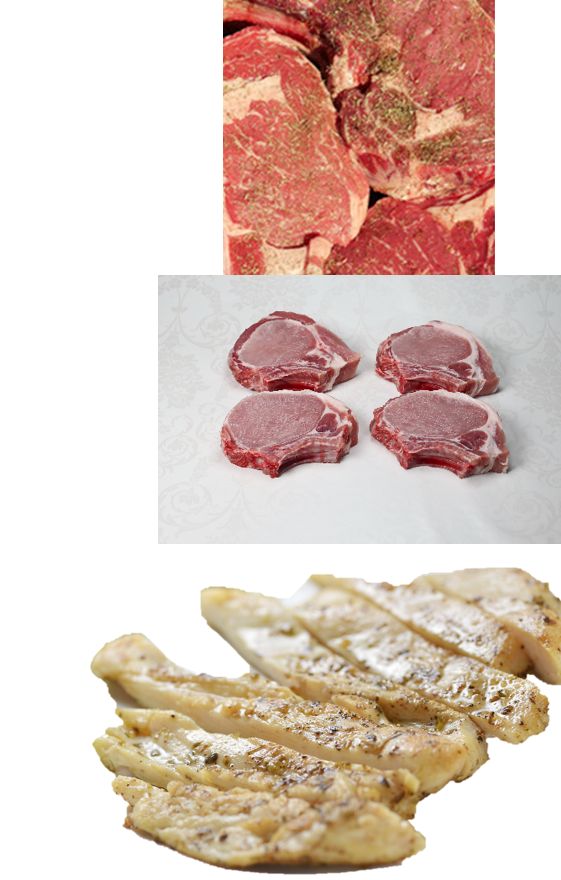
The OECD’s recent World Agricultural Outlook 2023-32 report notes that meat consumption is declining in affluent countries. The reasons cited include concerns about animal welfare, the environment and health. Those concerns may be true, but it also correlates with the fact that the median age in rich countries is rising, and humans need less animal protein as they move beyond age 30. Older adults tend to consume more carbohydrates for basic energy rather than tissue-building protein.
It is important to note that during adolescence and early adulthood, males consume considerably more animal protein than females. The OECD follows recent trends and predicts that poultry meat will increasingly replace some of the intake of beef a...


 What You Need to Know Today: New World screwworm detections in the United States continue to accelerate, with 81 new cases reported in November, bringing the cumulative total to 165. The first detection in a pig in Zapata County, Texas, highlights the potential implications for the U.S. pork i...
 A large market that competitors serve and that most U.S. producers have not looked at. Key Takeaways: Australia, Brazil, India and New Zealand built export businesses around Muslim-majority demand. The U.S. built markets differently. Halal is the gate: certification, government recognition and...
 A group of mid-sized beef packers sent a letter to Congress supporting the USDA’s voluntary Product of the USA label, which has been adopted by more than 30 companies. The voluntary label was introduced on 1 January 2026. It requires that single-ingredient beef products come from cattle b...

