
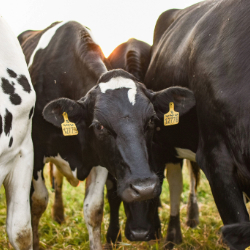
August 2026 milk production, the four-class pricing system, and the 2025 Federal Milk Marketing Order reforms Key Takeaways:
U.S. milk production is growing because the herd is larger, not because cows are producing more milk. August output increased 1.7 percent, even as production per cow declined slightly. Most new production is occurring in cheese-oriented or federally unregulated regions. This makes the destination of the additional milk increasingly important because federal pricing varies by end use and region. The 2025 FMMO reforms redistributed revenue unevenly. Fluid-heavy markets generally benefited from higher Class I differentials and the restored higher-of formula, while higher make allowances reduced prices and pool revenue i...


 Markets will have plenty to digest over Thanksgiving. The administration proposed new tariffs on 14 trading partners, core inflation came in slightly above expectations, and USDA reported a fresh sale of U.S. soybeans to China. With grain and livestock markets closed Thursday and trading in a s...
 In observance of the U.S. Thanksgiving holiday, financial markets will be closed Thursday, 26 November. WPI’s offices will also be closed, and no issue of Ag Perspectives will be published that day. Ag Perspectives will resume Friday, 27 November. From all of us at WPI, we wish you and yo...

 Key Takeaways: Farm costs have outpaced selling prices. From 1975 to 2025, the broad index of prices farmers paid rose about 549 percent, compared with 225 percent for prices received and 498 percent for consumer prices. Productivity has cushioned the squeeze. By 2023, U.S. farms produce...


 Key Takeaways: Renewed strength in soymeal and sustained weakness in soyoil have challenged the “crush for oil” narrative that has largely driven the expansion of U.S. soybean processing capacity in recent years. Record October soybean crush volumes, historically low soymeal yields...

