
What You Need to Know:
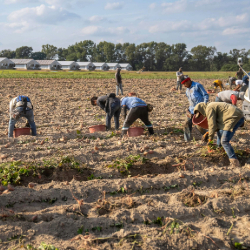
H-2A has become a principal agricultural labor channel: certifications increased from fewer than 117,000 in 2014 to 398,258 in 2025 and continued to rise in 2026. The proposed Securing Agriculture’s Workforce Act (SAWA) would open H-2A to year-round operations and additional industries, including dairy, food processing, aquaculture, forestry, and meat and poultry slaughter. SAWA would permit contracts lasting up to nearly 350 days and allow certain experienced, unauthorized farmworkers to obtain temporary H-2A status—but not permanent residence or citizenship. Unlike the earlier Farm Workforce Modernization Act, SAWA does not mandate E-Verify. Its political wager is to expand the legal workforce before ti...


 What You Need to Know Today: The U.S. dollar continued to strengthen Thursday as persistent inflation reinforced expectations for additional Federal Reserve interest rate hikes. Higher Treasury yields have helped support the dollar, potentially reducing the competitiveness of U.S. agricultural...

 In yesterday’s WASDE, USDA reduced its overall red meat and poultry production forecast for 2026 as declines in beef and broiler output more than offset increases in pork and turkey production. Fourth-quarter beef production was revised downward because of slower fed cattle marketings and...
 Key Takeaways: Dry bulk freight markets were stronger this week, but the rally was uneven and due to divergent dynamics across basins and vessel classes. Panamax markets were broadly higher, but Atlantic grain demand was primarily responsible while Asian activity was subdued. That trend...

