


Key Takeaways:
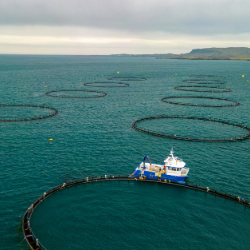
Aquaculture is becoming increasingly important in meeting global seafood demand, gaining market share as wild-caught fisheries face production limitations. Superior feed conversion efficiency gives aquaculture a competitive advantage over traditional livestock production, with lower feed requirements improving production economics. Aquaculture provides more protein per unit of land than competing forms of animal agriculture. Expanding aquaculture production creates a new demand outlet for soymeal and other feed ingredients as producers shift toward plant-based protein sources. Southeast Asia is a key market for U.S. soymeal exports as expanding aquaculture production increases demand for feed ingredients, with U.S. export su...


 What You Need to Know Today: The U.S. dollar continued to strengthen Thursday as persistent inflation reinforced expectations for additional Federal Reserve interest rate hikes. Higher Treasury yields have helped support the dollar, potentially reducing the competitiveness of U.S. agricultural...
 In yesterday’s WASDE, USDA reduced its overall red meat and poultry production forecast for 2026 as declines in beef and broiler output more than offset increases in pork and turkey production. Fourth-quarter beef production was revised downward because of slower fed cattle marketings and...
 Key Takeaways: Dry bulk freight markets were stronger this week, but the rally was uneven and due to divergent dynamics across basins and vessel classes. Panamax markets were broadly higher, but Atlantic grain demand was primarily responsible while Asian activity was subdued. That trend...

