


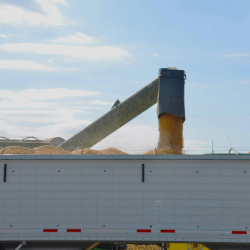
Key Takeaways:
Harvest pressure is fundamentally a timing issue: supply arrives much faster than demand can adjust, creating temporary weakness that can occur across crops and regions. The intensity of that pressure depends less on crop size alone than on how quickly grain moves into the system and how much storage and transportation capacity is available to absorb it. Local cash markets often feel harvest pressure more directly than futures markets, making basis an important indicator of how tight or burdensome nearby supplies have become. Seasonal tendencies should be treated as a market influence rather than a forecast, since broader supply-and-demand developments can easily overpower normal harvest patterns.
Why Harvest Creates Season...


 What You Need to Know Today: The U.S. dollar continued to strengthen Thursday as persistent inflation reinforced expectations for additional Federal Reserve interest rate hikes. Higher Treasury yields have helped support the dollar, potentially reducing the competitiveness of U.S. agricultural...

 In yesterday’s WASDE, USDA reduced its overall red meat and poultry production forecast for 2026 as declines in beef and broiler output more than offset increases in pork and turkey production. Fourth-quarter beef production was revised downward because of slower fed cattle marketings and...
 Key Takeaways: Dry bulk freight markets were stronger this week, but the rally was uneven and due to divergent dynamics across basins and vessel classes. Panamax markets were broadly higher, but Atlantic grain demand was primarily responsible while Asian activity was subdued. That trend...

