


Key Takeaways:
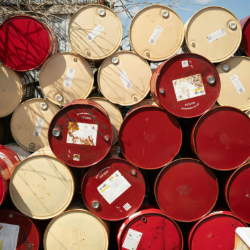
The significance of $100-per-barrel crude depends largely on how long prices remain elevated, as sustained high energy costs are more likely to influence longer-term agricultural decisions. Higher crude oil prices raise farm production costs most directly through diesel, while also adding pressure to fertilizer, pesticide and other input expenses. Higher fuel and freight costs can weigh on local grain prices and U.S. export competitiveness while changing the economics of where farmers market their grain. Expensive gasoline and diesel can improve biofuel economics, potentially strengthening demand for corn, soyoil and other agricultural feedstocks. Sustained high petroleum prices could also create a more favorable economic an...


 What You Need to Know Today: The U.S. dollar continued to strengthen Thursday as persistent inflation reinforced expectations for additional Federal Reserve interest rate hikes. Higher Treasury yields have helped support the dollar, potentially reducing the competitiveness of U.S. agricultural...
 In yesterday’s WASDE, USDA reduced its overall red meat and poultry production forecast for 2026 as declines in beef and broiler output more than offset increases in pork and turkey production. Fourth-quarter beef production was revised downward because of slower fed cattle marketings and...
 Key Takeaways: Dry bulk freight markets were stronger this week, but the rally was uneven and due to divergent dynamics across basins and vessel classes. Panamax markets were broadly higher, but Atlantic grain demand was primarily responsible while Asian activity was subdued. That trend...

