
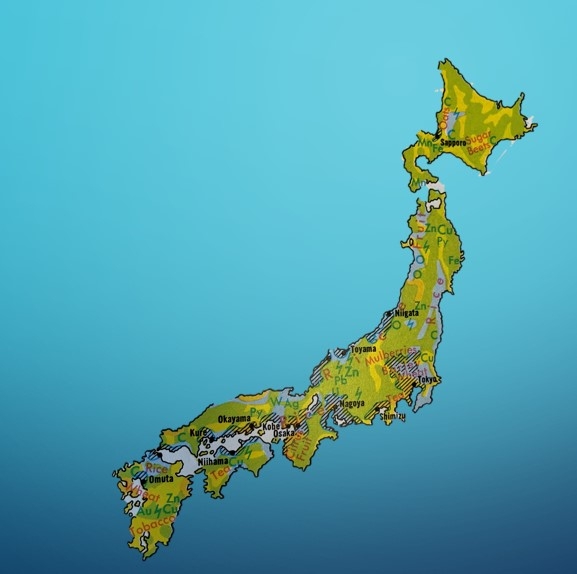
In Japan, rice has been called the essence of culture; it has meant more than just food, though food security is the basis for policy interventions to protect it. Despite the nostalgia and market controls, rice on paddy fields is declining, giving way to more profitable wheat and soybeans that previously grew on terraced land. The government itself wants production to decline further as domestic consumption has fallen. Increasingly, rice is being used as animal feed, which likely would have caused an uproar in the past unless the grains were damaged. There is sympathy in North Dakota where farmers are abandoning traditional wheat production and replacing it with more profitable corn and soybean production. ...


 Key Takeaways: Dry bulk markets remain mixed with Capesize rates turning around from their recent weakness and posting solid gains on improved Chinese demand. Panamax vessels, on the other hand, saw rates decline amid greater tonnage availability in the South Atlantic and falling U.S. Gu...

From WPI Consulting
Illuminating the value of technical research

On behalf of a commodity producer organization, WPI evaluated the outputs from a project that featured a $5 million investment into technical research over multiple years. WPI’s team captured the results of this extensive effort and synthesized them for presentation to the organization’s governing board; among the findings uncovered and presented for the first time was the development of genomic traits proven, via rigorous testing, to provide crop yield advantages of 50 percent or more to U.S. farmers in times of drought. Capturing measurable results from long-term efforts can be challenging. Educating clients on the dynamics of success measurement when quantifiable results are not readily available requires deep client-consultant collaboration and an ability to consider both near- and long-term client aspirations with market/policy dynamics – attributes that WPI brings to every consulting engagement.