


Key Takeaways:
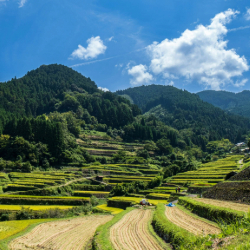
Japan’s mountainous geography and limited farmland constrain domestic agricultural production, while its highly developed economy and substantial purchasing power make it one of the world’s most important agricultural import markets. Japan’s calorie-based food self-sufficiency ratio declined to 37 percent in fiscal 2025, reflecting its heavy reliance on imported food products and livestock feed ingredients, including approximately 15.6 MMT of corn forecast for 2026/27. Japan remains a major market for U.S. agricultural exports, purchasing approximately $12.85 billion in 2025 and accounting for 7.5 percent of total U.S. agricultural exports. Unlike China, where agricultural imports can fluctuate considerably...


 The US election is over, but the market’s debate is just beginning. A shift in Washington’s balance of power is changing policy expectations, while developments involving Iran and an early decline in the dollar are adding to the uncertainty. Now traders must decide how much of that...
 Key Takeaways: The 2026 U.S. Midterm elections surprised many pundits and have created significant changes in how agriculture and major agricultural production states will be represented in Congress. Details on how candidates expect to address agricultural issues are still limited, and no offi...
 Russian Grain Markets: 26–30 October 2026 During the week in review Russian grain market remained quite volatile where feed wheat was appreciating and During the week in review, the Russian grain market remained volatile. Feed wheat prices appreciated while milling wheat prices declined...

