
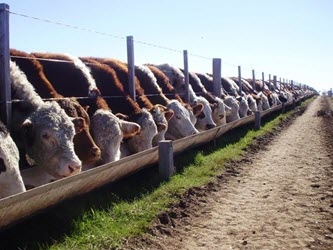
Livestock slaughter weights have been diverging this year with cattle trending down and hogs trending up.
The heavier slaughter weights for hogs likely stem from packers trying to maintain margins by slowing slaughter rates and leaving them to be finished longer. Year-to-date hog slaughter is up 2.8 percent, but pork production is 3.6 percent higher due to the heavier slaughter weights. If those weight levels continue, pork production over the summer, a period when there is a usual seasonal decline, could maintain the year-to-date expansion pace. In the cattle and beef market, the same pattern of final product growth exceeding slaughter rates is playing out but not as dramatically. This is because cattle size is tailing off from the pea...


 What You Need to Know Today: Brazilian President Luiz Inácio Lula da Silva secured reelection on Sunday, defeating right-wing Senator Flávio Bolsonaro despite trailing in the first round of voting. The surprise victory triggered a sharp selloff in Brazilian financial market...

 The 2026 midterm elections are a week from tomorrow, but early voting has been taking place for weeks. At stake is control of Congress, including the House of Representatives, where all 435 seats are contested, and the Senate, where approximately one-third of the seats are up for election. Farm...
 Key Takeaways: Total U.S. crop acres (excluding hay) are forecast to expand fractionally this year due to greater oilseed crop and winter wheat plantings. One of the key drivers of this year’s crop outlook is input costs, and crops with a lower cost profile have an advantage in producers...

