

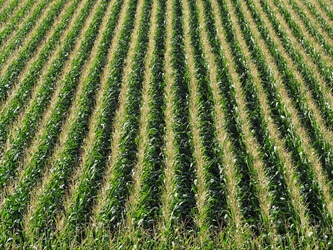
Maize is harder to grow, or at least harder to grow well. Crop yields vary tremendously across the hundreds of countries where grown but the disparity is more notable for corn. For rice and wheat, the country with the 15th highest yield in these two crops is netting over 60 percent of the yield achieved in the number one highest yield country. However, for maize the country down at number 15 for yield is achieving just 35 percent of the yield of the highest per hectare output country. This is a skewed view since any country can achieve a high yield if cost of production is ignored. Some of the countries with the highest yields produce on relatively few hectares and are not exporters. Achieving a very high average yield across a large land...


 The efforts behind the Make America Healthy Again (MAHA) movement are back in gear at the White House. The new White House Chief of Staff, Stephen Miller, is a true-blue MAHA believer, from reducing childhood vaccinations to restricting pesticide use to labeling food products as ultra-processed...
 Beef packer margins weakened $30 to $151/head as the Choice cutout declined faster than fed cattle prices. The cutout fell $5.42 to $356/cwt, while fed steers eased just $1 to $214/cwt, narrowing processor spreads. Margins remained positive despite continued weakness in wholesale beef values. F...

 What You Need to Know Today: U.S. corn harvest is now 88 percent complete, compared with 90 percent at this time last year and the five-year average of 92 percent. Soybean harvest has reached 96 percent, ahead of last year's 93 percent and the five-year average of 95 percent. Meanwhile, winter...

From WPI Consulting
Communicating importance of value-added products

Facing increasing pressure to quantify the value of export promotion efforts to investors, a U.S. industry organization retained WPI to develop a quantitative model that better communicated the importance of exports. The resulting model concluded that value-added meat exports contributed $0.45 cents per bushel to the price of corn, increasing support for that sector’s financial support of WPI’s client. In addition to serving the red meat industry with this type of analysis, WPI has generated similar deliverables for the U.S. soybean and poultry/egg industries.