


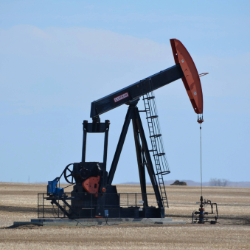
New variables specifically in the agricultural markets were light today, but the Iran war news hit some markets like a tsunami. The war and Iran’s chokehold on global oil supplies have subjugated economies for nearly seven weeks with outsized petrol prices. Everything became distorted around oil, including currency valuations. The combination of impacts on fuel and fertilizer spawned the predictable apocalyptic stories of mass global starvation, but the effects were marginal at most for U.S. agriculture. The war is not over, but the relief rally that hit oil and equities today largely skipped over agricultural commodities. Looking at major crop prices from the day before the start of the war to today, we find that:
The May SRW...


 What You Need to Know Today: Crude oil prices extended their rally today, supported by several developments, including escalating Houthi attacks on Saudi Arabian oil infrastructure and growing concerns about supply disruptions. The Trump administration is reportedly preparing to remove 50 perc...
 Key Takeaways: The agricultural trade surplus has become a sizable deficit: the balance swung from a $40.1 billion surplus in 2011 to a $40.7 billion deficit in 2025. Imports kept growing while exports lost momentum: between 2020 and 2025, agricultural imports increased 45 percent, compa...

 USDA released its October Cattle on Feed report Friday, showing 11.4 million cattle in feedlots with capacity for 1,000 head or more, slightly below last year. September placements were the lowest for the month since records began in 1996, marking the third consecutive month of placements sett...
 Regional News Dry weather across the UK and Europe is becoming increasingly concerning for the 2027 crops as planting intentions are lowered amid dry soil conditions. Delayed sowing or establishment under adverse conditions could leave crops more vulnerable to frost/freeze events and dise...

