


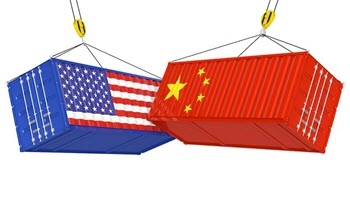
The grain trade returned to work last night with the strong possibility that the much-anticipated trade deal with China might not happen. This was based on President Trump’s weekend tweet that he will increase tariffs on Chinese imports from 10 percent to 25 percent. This sent grain and oilseed markets as well as equity markets crashing lower. No one knows for certain what happened during the negotiations late last week to sour the brew. It was widely speculated today that China had backtracked on some previous concessions, including those that would require changes in its laws. President Trump, likely on the advice of his trade team, decided to fire a warning shot across the bow. The selling panic that seemed close last night and e...


 What You Need to Know Today: Brazilian President Luiz Inácio Lula da Silva secured reelection on Sunday, defeating right-wing Senator Flávio Bolsonaro despite trailing in the first round of voting. The surprise victory triggered a sharp selloff in Brazilian financial market...

 The 2026 midterm elections are a week from tomorrow, but early voting has been taking place for weeks. At stake is control of Congress, including the House of Representatives, where all 435 seats are contested, and the Senate, where approximately one-third of the seats are up for election. Farm...
 Key Takeaways: Total U.S. crop acres (excluding hay) are forecast to expand fractionally this year due to greater oilseed crop and winter wheat plantings. One of the key drivers of this year’s crop outlook is input costs, and crops with a lower cost profile have an advantage in producers...

From WPI Consulting
Weighing in on strategic realignment

WPI’s team was retained by the governing board of a U.S. industry organization to review a decision, reached by vote, to invest significant assets into the development and management of an export trading company. WPI’s team conducted a formal review of this decision and concluded that the current level of market saturation would limit the benefits of the investment. Based on WPI’s analysis and recommended actions, the board subsequently reversed its decision and undertook a strategic planning effort to identify more impactful investments. On behalf of numerous clients, WPI has not only assisted in identifying strategic paths but also advised their implementation.