
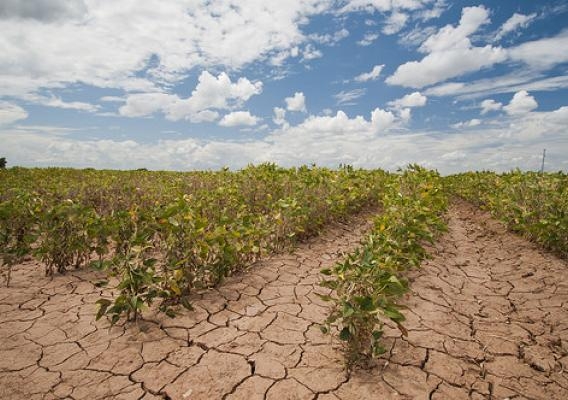
Weekend Rains Helped Some Areas in Argentina Weekend rains in Argentina did bring relief to some areas, but more widespread coverage will be needed soon in the driest parts to allow moderate-to-good yields. Two inches or more fell over areas in Cordoba and northern Buenos Aires Provinces. However, much less was received in the southern part of Buenos Aires Province with the city of Pergamino accumulating only about a half-inch, and some of the driest areas apparently received none at all. Little or no rain is expected in central Argentina for the rest of this week with temperatures forecast to approach 100°F later this week. However, the outlook calls for thunderstorms early next week across much of the Pampas. In its 12 January repor...


 What You Need to Know Today: A third U.S. border crossing (Columbus, New Mexico) has reopened to Mexican cattle imports following nearly two years of restrictions related to New World screwworm. The reopening could gradually improve feeder cattle availability, although more than 60 confi...

 Yesterday, the USDA’s Agricultural Marketing Service (AMS) released a new report of negotiated cash purchases of cattle under the mandatory price report. The report included Colorado, New Mexico, Oklahoma, Texas, and Kansas. The goal of the report was to solve the confidentiality issues e...

 Key Takeaways: U.S. soybean crushing began in 1911 and saw its most rapid expansion during the 1930s amid the broader agricultural and technology revolutions of the time. After peaking in the early 2000s, the soybean crushing industry went through a downturn as poor crush margins forced...

From WPI Consulting
Weighing in on strategic realignment

WPI’s team was retained by the governing board of a U.S. industry organization to review a decision, reached by vote, to invest significant assets into the development and management of an export trading company. WPI’s team conducted a formal review of this decision and concluded that the current level of market saturation would limit the benefits of the investment. Based on WPI’s analysis and recommended actions, the board subsequently reversed its decision and undertook a strategic planning effort to identify more impactful investments. On behalf of numerous clients, WPI has not only assisted in identifying strategic paths but also advised their implementation.