
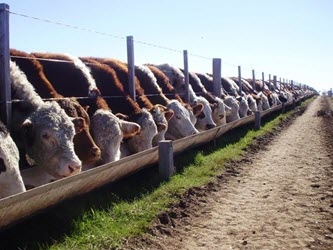
USDA released its Cattle on Feed report today; the inventory of cattle in feedlots with a capacity of 1,000 head or more was 11.7 million head, that is 103 percent of 1 October 2019 and above pre-report expectations. This is a record large 1 October inventory dating back to 1996 when records began.
Placements were well above the pre-report average and at the very top of the range of expectations, reflecting in part dry conditions on the Plains as well as Mexico where imports of feeder cattle were up more than 35 percent in September. The on-feed inventory included 7.31 million steers, 106 percent of the year prior, and 4.41 million heifers, down slightly from 2019. The biggest increases in feedlot inventories were in Colorad...


 What You Need to Know Today: Crude oil prices extended their rally today, supported by several developments, including escalating Houthi attacks on Saudi Arabian oil infrastructure and growing concerns about supply disruptions. The Trump administration is reportedly preparing to remove 50 perc...
 Key Takeaways: The agricultural trade surplus has become a sizable deficit: the balance swung from a $40.1 billion surplus in 2011 to a $40.7 billion deficit in 2025. Imports kept growing while exports lost momentum: between 2020 and 2025, agricultural imports increased 45 percent, compa...
 USDA released its October Cattle on Feed report Friday, showing 11.4 million cattle in feedlots with capacity for 1,000 head or more, slightly below last year. September placements were the lowest for the month since records began in 1996, marking the third consecutive month of placements sett...
 Total Red Meat & Poultry September 2026 total red meat and poultry stocks totaled 1.97 billion pounds, down 1.4 percent from August despite typically increasing 0.8 percent during the month, and were 1.5 percent below September 2025 levels. The decline pushed total inventories to a new five...

