

Key Takeaways:
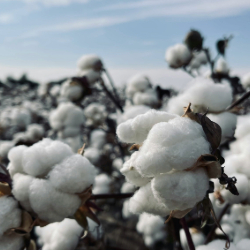
Global and U.S. cotton demand has struggled since the post-COVID-19 pandemic surge, which has left cotton prices drifting lower in the U.S. The war in Iran and the closure of the Strait of Hormuz, along with their impact on global energy markets, could boost cotton demand by making synthetic alternatives more expensive, although the magnitude remains uncertain. Additionally, the conflict in Iran and the Russia-Ukraine war are boosting demand for cotton linters, which are used in munitions as nitrocellulose or “guncotton.” Unfortunately for cotton producers, guncotton demand is too small relative to the overall market to move the needle on cotton use. Overall, global cotton demand is set to expand in 2026/27...


 What You Need to Know Today: The U.S. dollar continued to strengthen Thursday as persistent inflation reinforced expectations for additional Federal Reserve interest rate hikes. Higher Treasury yields have helped support the dollar, potentially reducing the competitiveness of U.S. agricultural...

 In yesterday’s WASDE, USDA reduced its overall red meat and poultry production forecast for 2026 as declines in beef and broiler output more than offset increases in pork and turkey production. Fourth-quarter beef production was revised downward because of slower fed cattle marketings and...
 Key Takeaways: Dry bulk freight markets were stronger this week, but the rally was uneven and due to divergent dynamics across basins and vessel classes. Panamax markets were broadly higher, but Atlantic grain demand was primarily responsible while Asian activity was subdued. That trend...

