

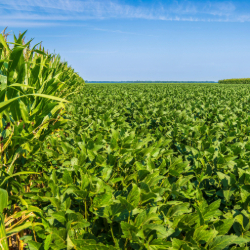
Commodity markets – being composed primarily of human beings – reflect the impatience and forever forward-looking nature of humans. In the present case, this means that while the September WASDE offered some much-needed and much-desired updates, markets are now focused on that eternal question: what next? For corn and soybean yields, history seems to suggest that what is coming next is further reductions in U.S. corn and soybean yields. WPI’s latest analysis looks at the average change from USDA’s September WASDE corn and soybean estimates to the October and November report figures. Over the past five years, USDA has consistently seen a downward bias in its revisions for both crops, though this has not always been th...


 What You Need to Know Today: New World screwworm is back in the headlines after new cases were found in a hunter-harvested elk in Texas and a beef cow in New Mexico. The detection in wildlife could further complicate containment efforts, as implementing effective biosecurity measures is consid...

 Cattle on Feed Expectations USDA’s monthly Cattle on Feed report that will show cattle inventory statistics as of 1 October will be released tomorrow, 23 October. Analysts’ pre-report consensus estimates are for the total inventory on feed to be 100.3 percent of last year, which imp...

 Key Takeaways: Dry bulk markets remain mixed with Capesize rates turning around from their recent weakness and posting solid gains on improved Chinese demand. Panamax vessels, on the other hand, saw rates decline amid greater tonnage availability in the South Atlantic and falling U.S. Gu...

From WPI Consulting
Communicating importance of value-added products

Facing increasing pressure to quantify the value of export promotion efforts to investors, a U.S. industry organization retained WPI to develop a quantitative model that better communicated the importance of exports. The resulting model concluded that value-added meat exports contributed $0.45 cents per bushel to the price of corn, increasing support for that sector’s financial support of WPI’s client. In addition to serving the red meat industry with this type of analysis, WPI has generated similar deliverables for the U.S. soybean and poultry/egg industries.