

Key Takeaways:
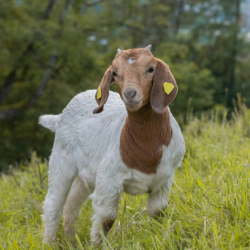
The U.S. herd is stabilizing, but growth remains modest. Total goat inventory rose 1 percent in 2026, while meat-goat numbers increased 2 percent, which is not enough to materially reduce import dependence. Domestic slaughter is rising from a low base. Commercial slaughter increased about 12 percent from 2022 to 2024, but production remains below its 2008 peak and constrained by processing capacity, marketing gaps, and high costs. Australia increasingly dominates U.S. supply. Australian goat slaughter reached a record 4.05 million head in 2025, and production has roughly quadrupled since 2020, reinforcing Australia’s position as the leading U.S. import supplier. Rapid Australian supply growth has lowered import prices...


 What You Need to Know Today: The U.S. dollar continued to strengthen Thursday as persistent inflation reinforced expectations for additional Federal Reserve interest rate hikes. Higher Treasury yields have helped support the dollar, potentially reducing the competitiveness of U.S. agricultural...
 In yesterday’s WASDE, USDA reduced its overall red meat and poultry production forecast for 2026 as declines in beef and broiler output more than offset increases in pork and turkey production. Fourth-quarter beef production was revised downward because of slower fed cattle marketings and...
 Key Takeaways: Dry bulk freight markets were stronger this week, but the rally was uneven and due to divergent dynamics across basins and vessel classes. Panamax markets were broadly higher, but Atlantic grain demand was primarily responsible while Asian activity was subdued. That trend...

