

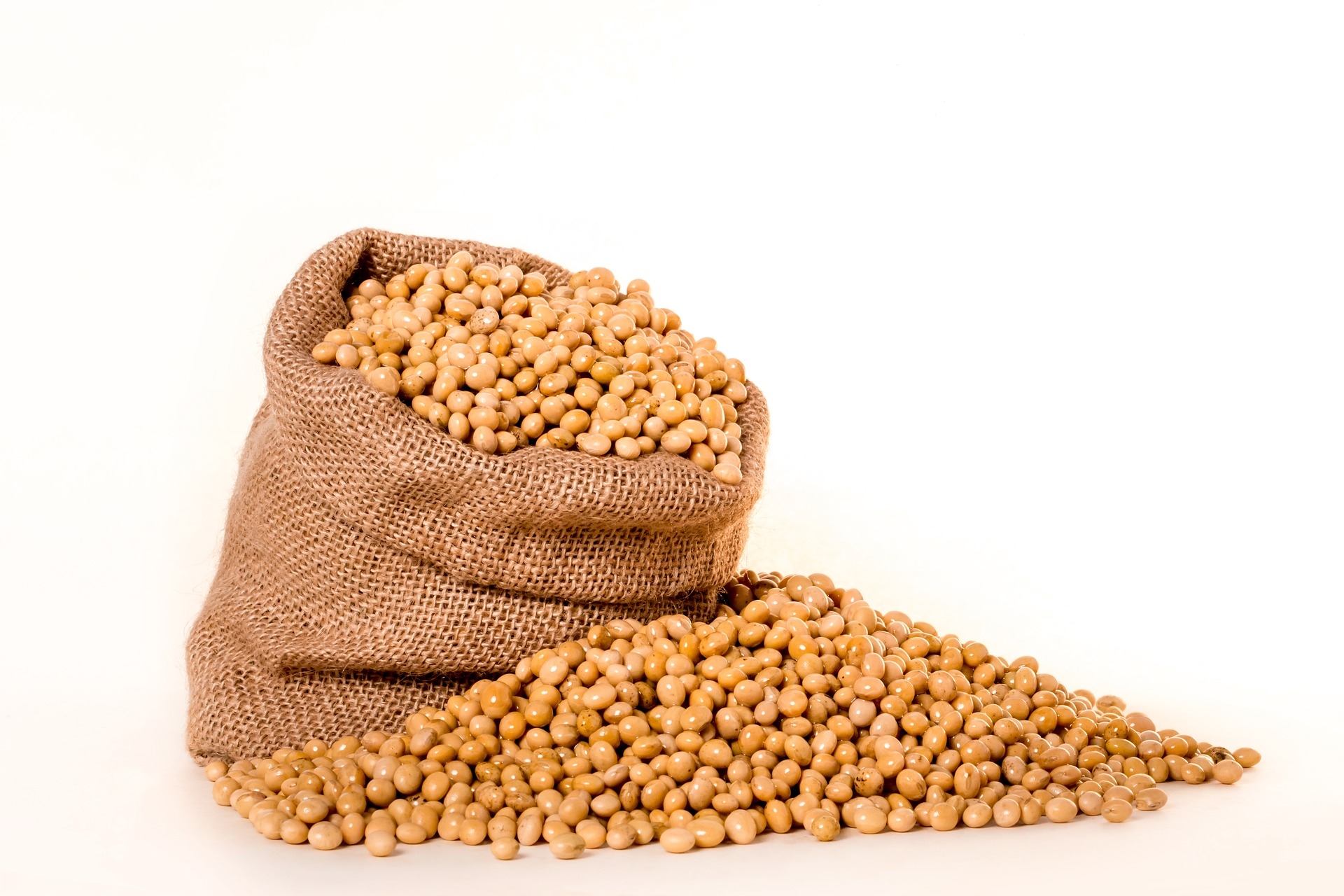
During the 2016 presidential campaign, candidate Donald Trump often complained about the large and growing U.S. trade deficit with China. It was, he asserted, clear proof that the U.S. was being taken for a ride by one of its most important trading partners. Since his surprising election victory, President Trump’s trade policies seem to revolve around the assumption that trade deficits are bad by definition and that his administration should do everything possible to eliminate them with every country that trades with the U.S. The largest U.S. trade deficit is with China, which the U.S. Census Bureau indicates was a huge $344 billion in 2017 or almost four times larger than the value of U.S. exports to that country. China counts the de...


 What You Need to Know Today: A third U.S. border crossing (Columbus, New Mexico) has reopened to Mexican cattle imports following nearly two years of restrictions related to New World screwworm. The reopening could gradually improve feeder cattle availability, although more than 60 confi...

 Yesterday, the USDA’s Agricultural Marketing Service (AMS) released a new report of negotiated cash purchases of cattle under the mandatory price report. The report included Colorado, New Mexico, Oklahoma, Texas, and Kansas. The goal of the report was to solve the confidentiality issues e...

 Key Takeaways: U.S. soybean crushing began in 1911 and saw its most rapid expansion during the 1930s amid the broader agricultural and technology revolutions of the time. After peaking in the early 2000s, the soybean crushing industry went through a downturn as poor crush margins forced...

From WPI Consulting
Accountability and a comprehensive approach to export programming

WPI’s team helped construct a strategic approach to develop, implement, and track promotional activities in 8 key regions across the globe for an agricultural export association. With continued progress measurement and strategic advisory services from WPI, the association has seen its ROI from investments in promotional programming increase by 44 percent over the past 5 years. Not only does this type of holistic approach to organizational strategy provide measurable results to track and analyze, it fosters top-down and bottom-up organizational accountability.