
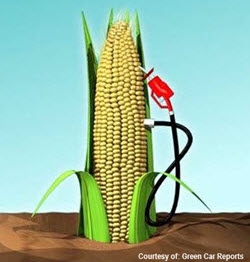
Year-Round E15 and RIN Reform Proposed The EPA released its proposed waiver for year-round E15 use today. As previously reported (click here), it will now be on a tight approval deadline before the summer driving season starts. Given the risk of regulatory uncertainty and needed infrastructure investments, the waiver will likely have a muted effect initially on ethanol use. Where E15 infrastructure already has a market hold in places such as Minnesota and, to a lesser extent, in Iowa, growth could be substantial on a percentage basis. For the overall U.S. market, though, the bigger impact would probably not be seen immediately this summer. E15 use in 2018 hit 54 million gallons in Minnesota, up from 19 million gallons in 2017. Approximate...


 What You Need to Know Today: Brazilian President Luiz Inácio Lula da Silva secured reelection on Sunday, defeating right-wing Senator Flávio Bolsonaro despite trailing in the first round of voting. The surprise victory triggered a sharp selloff in Brazilian financial market...

 The 2026 midterm elections are a week from tomorrow, but early voting has been taking place for weeks. At stake is control of Congress, including the House of Representatives, where all 435 seats are contested, and the Senate, where approximately one-third of the seats are up for election. Farm...
 Key Takeaways: Total U.S. crop acres (excluding hay) are forecast to expand fractionally this year due to greater oilseed crop and winter wheat plantings. One of the key drivers of this year’s crop outlook is input costs, and crops with a lower cost profile have an advantage in producers...

From WPI Consulting
Communicating importance of value-added products

Facing increasing pressure to quantify the value of export promotion efforts to investors, a U.S. industry organization retained WPI to develop a quantitative model that better communicated the importance of exports. The resulting model concluded that value-added meat exports contributed $0.45 cents per bushel to the price of corn, increasing support for that sector’s financial support of WPI’s client. In addition to serving the red meat industry with this type of analysis, WPI has generated similar deliverables for the U.S. soybean and poultry/egg industries.